A cold shower is a frustrating way to start the day, especially when you’re wondering whether you need a whole new water heater. Sometimes a repair will get the hot water back. Other times, putting more money into the old heater doesn’t make much sense.
The first step is finding out what’s wrong. Then you can compare the repair cost with replacement and decide what works for your home.
Start with what changed
The more detail you can give the technician, the easier it is to track down the problem. Is the water cold, or just not as hot as it used to be? Did it happen overnight? Is every faucet affected, or only the shower?
One shower that “doesn’t get hot enough” could have a problem with its mixing valve rather than the water heater. If the hot water is unreliable throughout the house, the heater is a more likely place to look. Even then, an experienced technician needs to check it before you can make a sensible repair-or-replace decision.
Mention any leaks, unusual noises, or recent changes in how much hot water your family uses. You don’t need to know what’s wrong before you call.
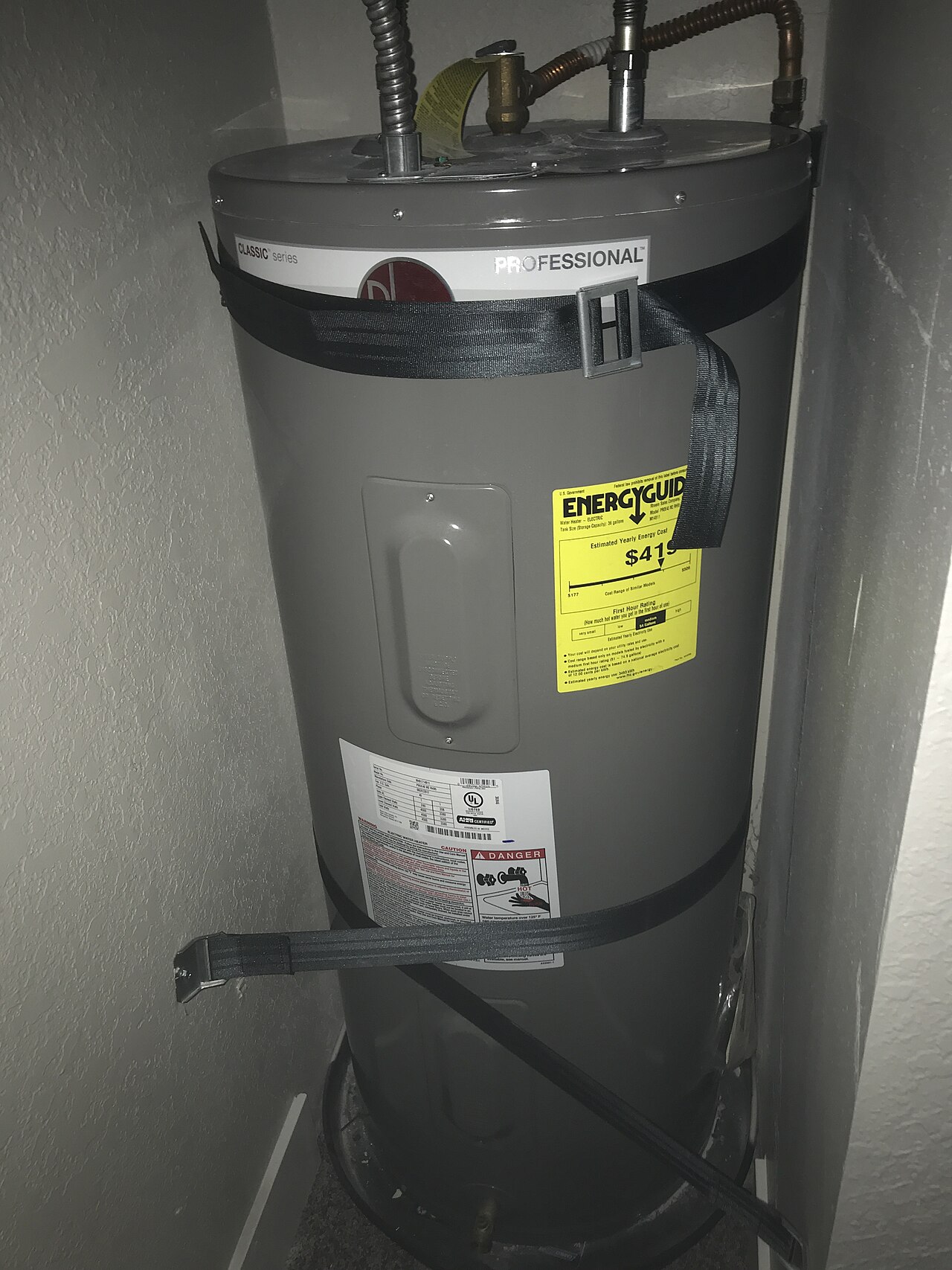

Water on the floor? Find the source first
A puddle around the heater can look like a big replacement bill, but water from a leaking connection doesn’t mean the tank has failed. The technician needs to trace the leak before recommending the work.
A connection or replaceable part may be repairable. If water is leaking through the storage tank itself, replacement is generally the next step. Have the technician show you where it’s coming from and explain which problem you’re dealing with.
Leave covers and gas or electrical components alone. If you smell gas, leave the area and call your gas utility or emergency services from a safe location.
When is a repair worth it?
If one part has failed and the rest of the heater is in good shape, a repair may be all you need. An electric heater with a failed heating element, for example, doesn’t necessarily need to be replaced as a whole.
Ask what failed, what the repair will cost, and whether the technician found anything else that needs attention. If you’ve already paid for repairs recently, bring that up too. It makes a difference whether this is a single worn-out part or the latest in a string of problems.
Also ask whether the repair will get you back to the hot water you need. Fixing a broken part won’t give an undersized heater more capacity.
When replacement makes more sense
A leaking storage tank, repeated failures, or capacity that no longer suits your household’s demand can make replacement worth discussing. The reasons should be specific to your system and situation.
The heater’s age shouldn’t be ignored, but the date on its label isn’t an expiration date. Look at its condition, repair history, and performance alongside the cost of repairing or replacing it. An older heater that’s working well is a different decision from one that keeps leaving you without hot water.
Ask the technician to walk you through both options when a repair is still practical. What will each cost, and what will you have at the end of the job? A cheaper repair may be a reasonable choice, but it’s worth knowing if other worn parts could need attention soon.
If warranty coverage may apply, have the terms checked carefully. Coverage for a replacement part doesn’t necessarily pay for the labor to install it.
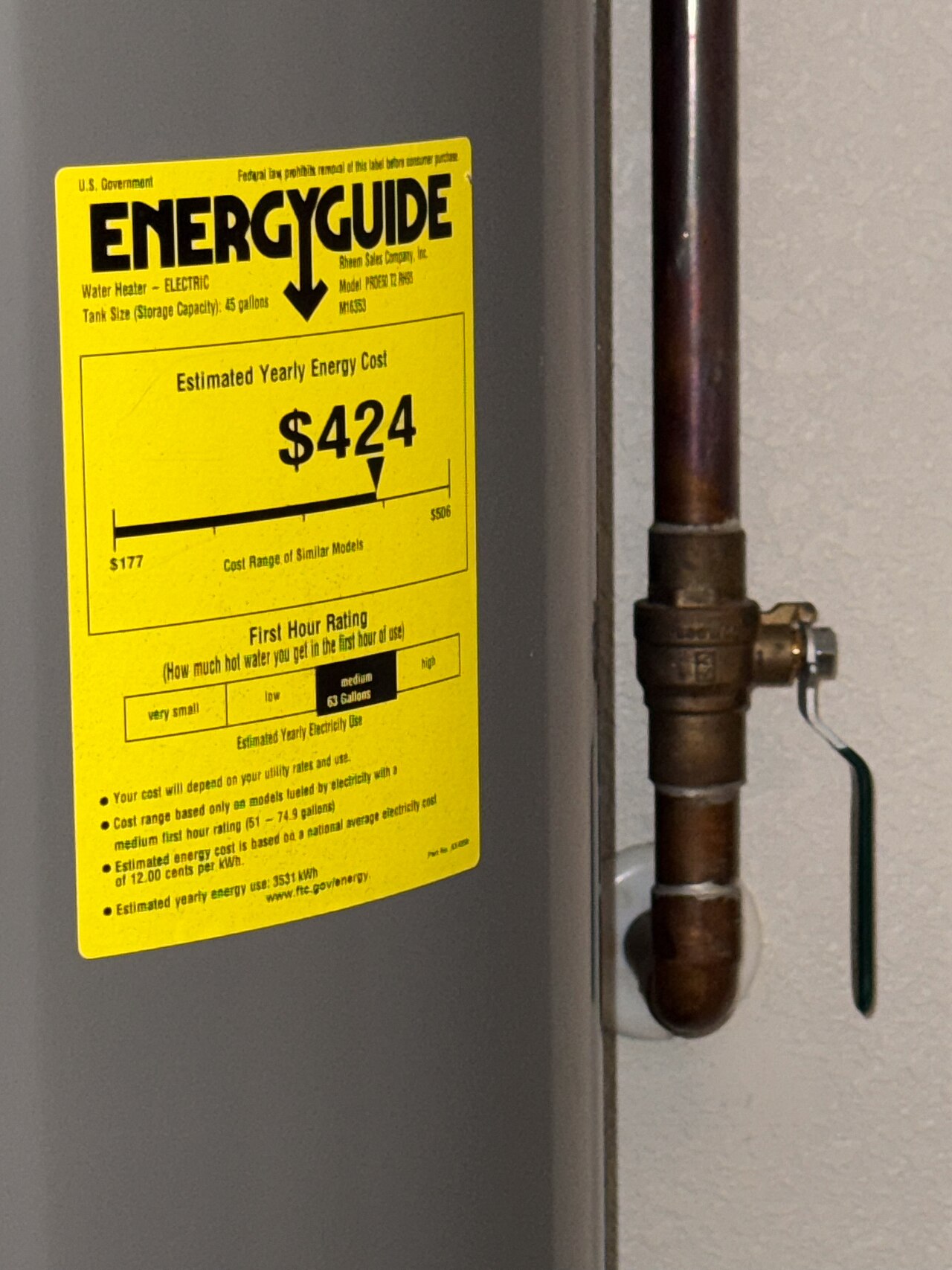

Is the heater keeping up with your household?
Think about when you run out of hot water. If the last person in a line of morning showers always gets a cold one, your household may be asking more of the heater than it can supply. If the same routine used to work fine and now doesn’t, tell the technician that. A fault may have reduced the heater’s output.
Changes at home matter too. More people, longer showers, or several fixtures running at once can change how much hot water you need.
If you do replace the heater, don’t assume the new one should be the same size as the old one. Talk through your busiest times of day so the technician can recommend a system that fits how you actually use it.
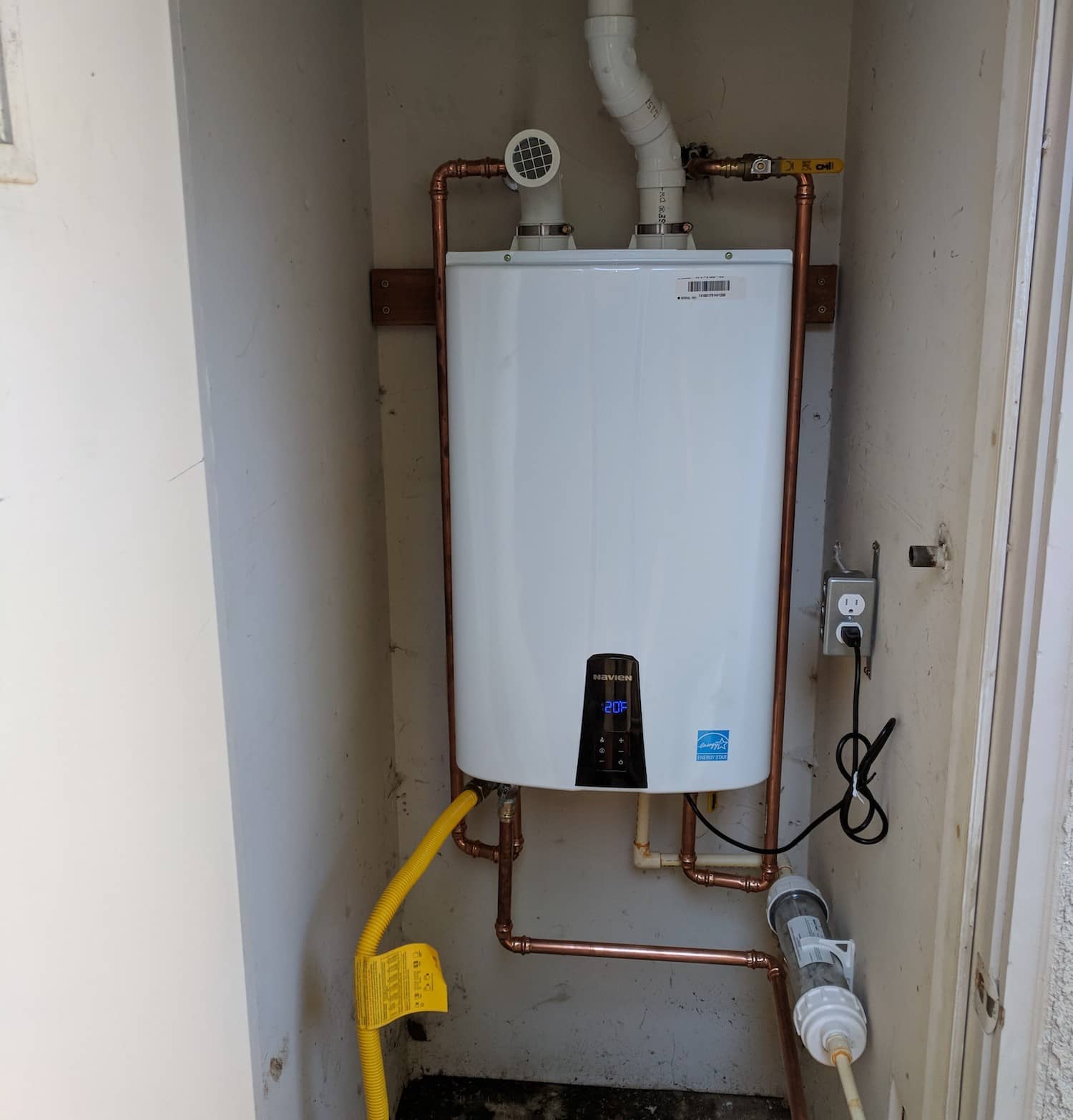
Thinking about going tankless?
A tankless heater heats water as you use it instead of keeping a tankful hot. That can be appealing if you’re tired of waiting for a storage tank to recover between showers. But a tankless unit still has a limit on how much hot water it can deliver at once.
Tell the technician which showers and appliances you expect to run together. The incoming water temperature also affects how much hot water a tankless unit can supply, so sizing needs to account for colder weather.
Switching may require changes to the gas supply, electrical service, or venting. Have those costs included in the quote, and ask what maintenance the model needs. That gives you a useful comparison with replacing your existing tank heater, instead of comparing equipment prices alone.
What should the quote include?
Before you agree to the work, check whether the price includes removing the old heater, making the necessary connections, and any required permits or inspections. Ask how long you’ll be without hot water and how the technician will check that everything is working afterward.
Crafty Fox handles electric, gas, and tankless water heaters. If yours is leaking, running cold, or struggling to keep up, call 540-721-2300 and tell us what’s happening. You can also read more about our water-heater repair and replacement services.