
A slow drain or stopped-up toilet often starts as a problem close to the fixture. But when the same clog keeps coming back, several drains act up together, or wastewater shows up in a lower drain, the next service call may need to look beyond a routine blockage.
Those symptoms don’t prove that a sewer line is broken. They do tell the plumber where the problem appears, how much of the home is affected, and whether a broader inspection makes sense.
One slow fixture may be a local drain problem
If one sink drains slowly while the rest of the house works normally, the restriction may be in that fixture’s trap or nearby branch line. Hair, soap residue, grease, and other material can build up close to the drain.
Start by noting which fixture is affected and whether anything recently changed. Don’t mix chemical drain cleaners or take apart piping you aren’t comfortable working on. Tell the office if you’ve already used a cleaner so the technician knows what may be in the line.
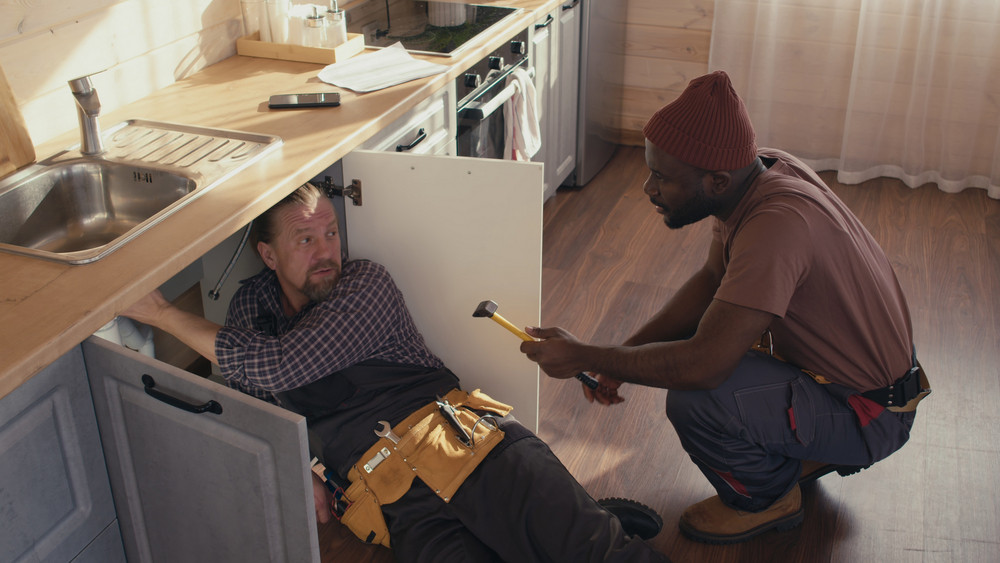
Multiple affected drains change the conversation
The layout of the plumbing matters. A toilet that bubbles when a nearby tub drains, water appearing in a lower-level shower, or several fixtures slowing at the same time may point to a restriction in a shared line.
Make a short list of what happened first. Did the kitchen sink slow down before the bathroom? Does the problem appear only when the washing machine discharges? Are fixtures on one side of the house affected while the others work normally? That sequence can help the technician decide where to begin checking.
A clog that keeps returning deserves a thorough inspection
Clearing a blockage restores flow, but it doesn’t always explain why the blockage formed. If the same line has been cleared more than once, share the dates and what was done. A recurring problem may call for a closer look at the condition and route of the line instead of another identical service.
Tree roots, a damaged section, poor slope, settled piping, or material left in the line are possible concerns, but the symptom alone can’t tell you which one applies. The plumber needs evidence from the system before recommending excavation or replacement.
What a camera inspection can and can’t show
A drain or sewer camera can help locate an obstruction and show visible conditions inside an accessible line. It may reveal roots, a separated joint, a damaged section, or a place where material collects.
The camera is one part of the diagnosis. Standing water, heavy buildup, or a line that can’t be reached may limit what can be seen. The plumber may need to restore flow first, locate the line, or use other information from the property before discussing the next step.
Ask to see what the inspection found. A useful explanation connects the recommendation to the location and condition that were actually observed.
When excavation enters the discussion
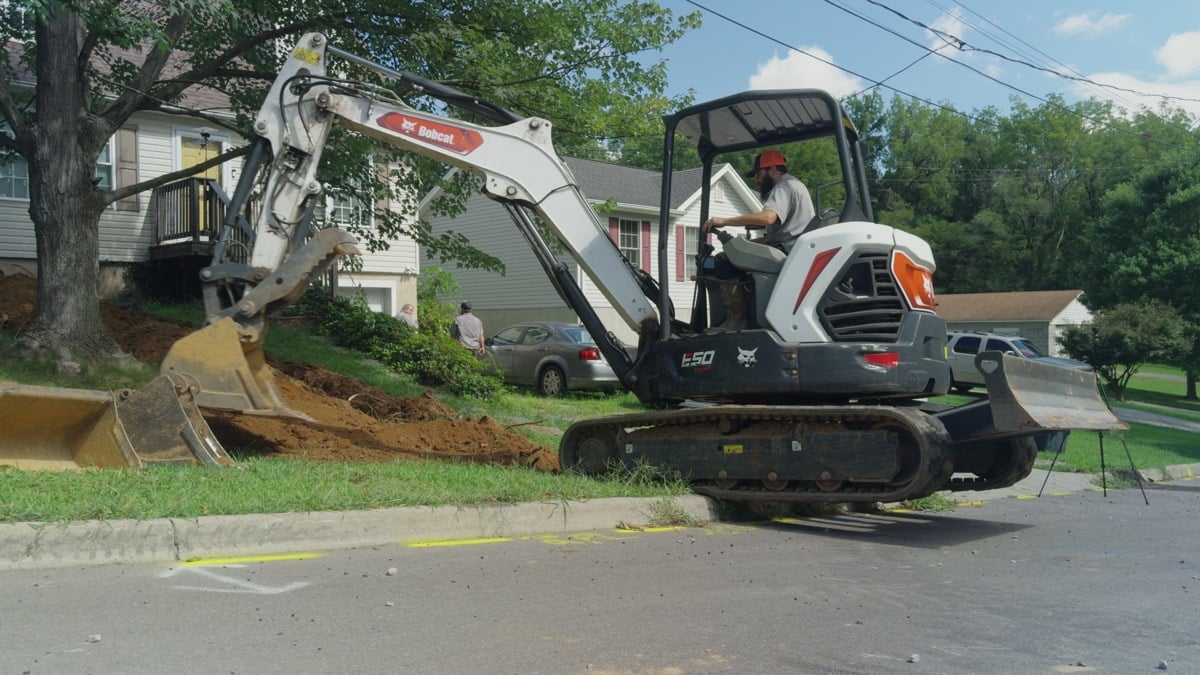
Excavation should follow the evidence, not the first sign of a slow drain. If an underground section is damaged, repeatedly obstructed, or no longer carrying wastewater as it should, the plumber can explain whether a spot repair or a larger replacement is the practical option.
Access matters too. The route may cross a yard, driveway, landscaping, or other finished area. Before agreeing to the work, ask where the problem was located, what section is included, how access will be handled, and what restoration is part of the quote.
What to tell the plumber before the visit
Describe the fixtures involved, when the problem began, and whether it has happened before. Mention sewage odor, wastewater at a lower drain, wet ground outside, or a recent repair. If another company cleared or inspected the line, share any invoice, video, or notes you still have.
Also tell the office if the home uses a septic system. Sewer piping and septic-system concerns can overlap, but pumping or repairing a septic tank is different work. Crafty Fox diagnoses plumbing and sewer-line problems and handles sewer-line repair or replacement; septic tank pumping and tank repair are outside its scope.
Get the right problem checked
A single slow sink and a house-wide backup don’t start with the same assumptions. The useful next step is to trace the symptom through the plumbing, confirm where the restriction or damage is, and base the repair discussion on what the inspection finds.
If a clog keeps returning or several drains are affected, learn about Crafty Fox sewer and septic replacement services or call the office and describe what is happening.