
If your plumber has recommended replacing the water line to your home, you’re probably wondering how much of the yard will be opened, how long you’ll be without water, and what the crew will leave behind. Those are questions to settle before work starts, while you can still compare the options and understand the quote.
The job usually moves from confirming the problem and planning access to completing the pipe work, checking it, and closing the excavation. Your property’s layout and the condition of the existing line determine the details. Here’s what to talk through at each stage.
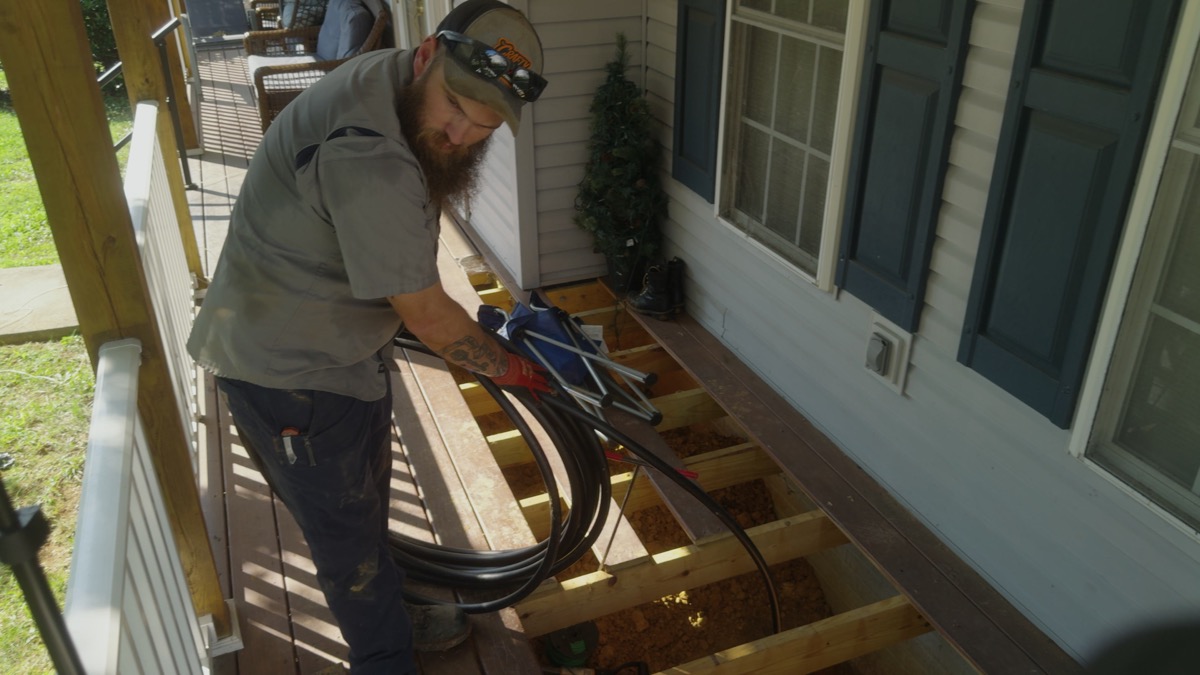
Confirm the problem and agree on what needs replacing
A wet patch or a drop in pressure can bring a water-line problem to your attention, but it doesn’t tell you how much pipe needs replacing. The plumber first needs to work out whether the fault is in the buried service line, inside the house, or elsewhere in the water system.
If the source hasn’t been located, leak detection may help identify it. Tell the technician about previous repairs and whether the problem comes and goes. A history of repeated trouble can matter when you’re deciding whether another repair is worth doing.
Once the problem is understood, ask which section the quote covers. Is the plan to replace the full line or part of it? Why would a smaller repair leave you with a problem? The answers should relate to what the plumber found at your home, not a blanket rule that every underground leak needs a new line.
Crafty Fox’s water-line services include repairs, replacements and new installations, as well as conversion from a well supply to a public-water connection. A supply conversion has its own requirements; it shouldn’t be treated as the same job as replacing a leaking section.
Plan where the crew will work
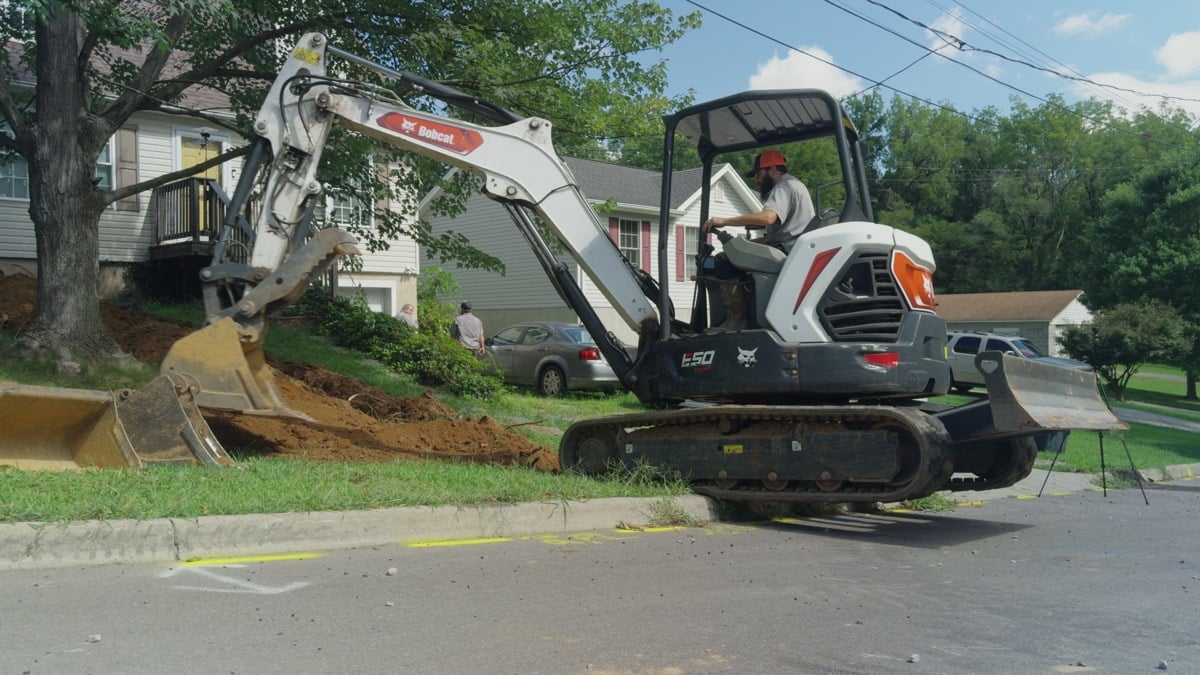
The pipe route is one part of the plan. The crew also needs space for equipment and somewhere to put the excavated soil. A line through an open lawn is easier to approach than one beside a house or under a surface you want to preserve.
Ask the crew to show you the expected work area. Talk through anything that affects access, including the driveway and paths you use to get into the house. Mention known irrigation or outbuilding connections, and ask what utility locating or additional private-line checks are needed.
This is also the time to discuss your water shutoff. Find out when it’s expected, what could extend it, and how you’ll be kept informed. The crew can give you a more useful estimate after looking at your property than a general online timeline can.
Expose the line and check whether the plan still fits
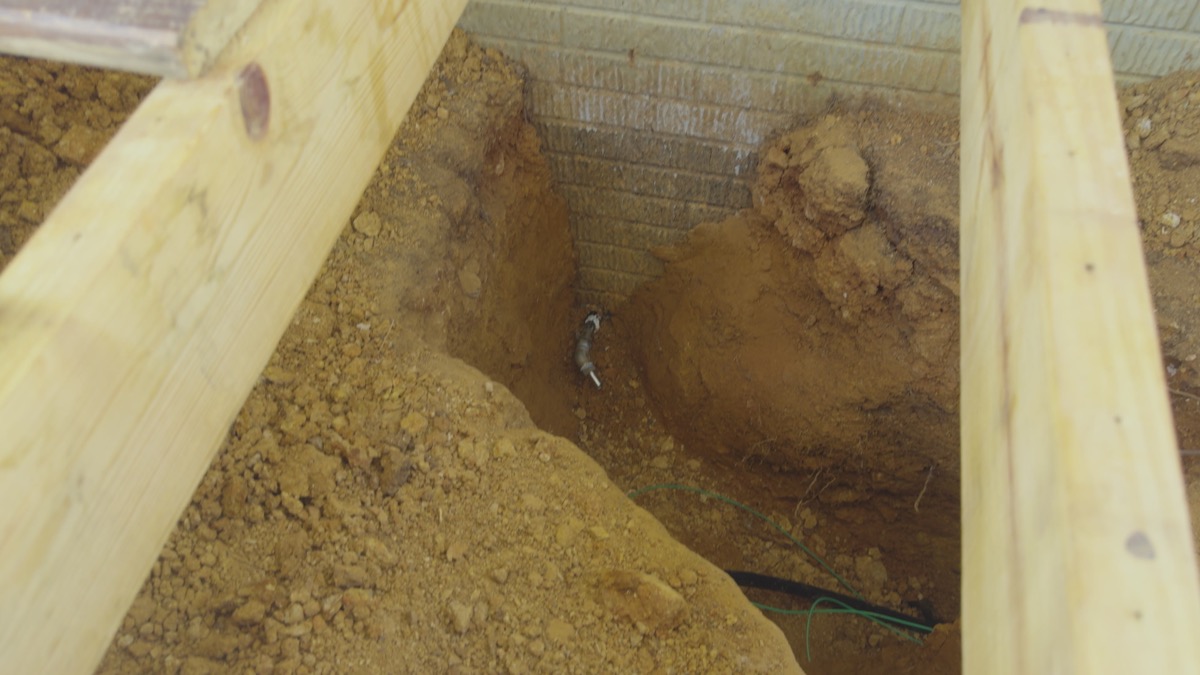
Opening the work area lets the plumber see conditions that weren’t visible from above ground. The amount of excavation depends on the chosen approach and where access is needed. Even a method that avoids a continuous trench may still need access openings.
Once the pipe is exposed, ask what was found and whether it changes the agreed work. A damaged connection, a limited fault or more widespread deterioration can lead to different recommendations. If the scope needs to change, you should understand why and approve the additional work before it proceeds.
Photos can help you understand that conversation. They also give you a record of the pipe and connections before the area is covered again. Ask what job documentation you’ll receive, especially if part of the old line will remain in service.
Complete the pipe work and check the system
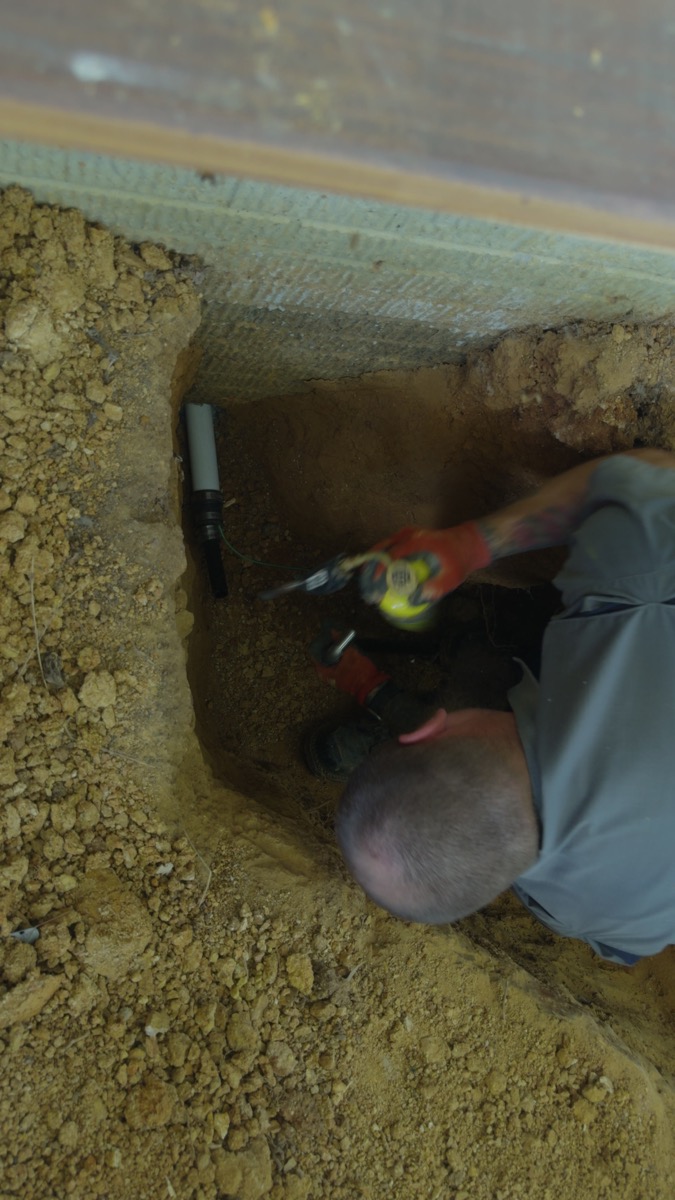
The crew then carries out the approved installation and connections. The checks needed depend on the project, so ask which tests or inspections are included and when they’ll happen. The work should be checked before the excavation is fully closed.
You don’t need a lesson in every fitting to understand what you’ve paid for. You do need a clear explanation of which sections were replaced, how the work was checked, and whether anything still needs attention.
If the recommendation changed after excavation, make sure the finished-job explanation reflects the work you actually approved. Keep the quote, any approved changes and the available photos together so you have a useful record later.
Know what restoration includes
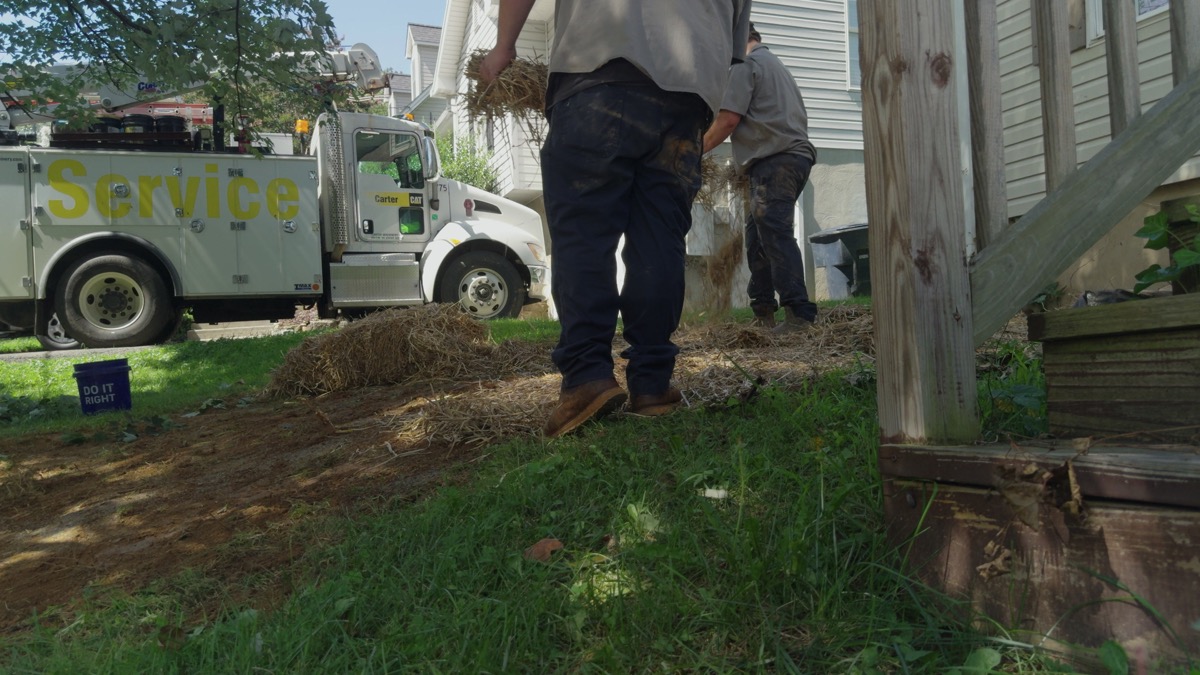
Filling the excavation and cleaning up the work area aren’t necessarily the same as restoring every surface to its previous finish. Seed, sod and pavement are different tasks, and a quote may cover some without covering all of them.
Before the job starts, ask what FOX will handle and what you’d need to arrange separately. Discuss how any settling will be addressed and whether that work is included. It’s much easier to agree on those details before the trench is filled than after you notice something you expected wasn’t done.
Take a few photos of the work area before equipment arrives and again at the end. Using similar viewpoints makes it easier to compare the condition and discuss any remaining cleanup. Keep those records for yourself; there’s no need to share your address or other private property details publicly.
If you’re weighing a water-line replacement, call Crafty Fox Plumbing at 540-721-2300. Explain the symptoms and any repair history, then ask for a plan that covers the pipe work and what happens to the yard around it.