
Water problems tend to show up in ordinary places first: an orange ring in the sink, white buildup around a faucet, cloudy water after a storm, or an odor that makes you hesitate before filling a glass. Those clues matter, but they don’t all point to the same cause or the same equipment.
Before choosing a filter, softener, or another treatment system, pay attention to what has changed and where you notice it. That gives the technician a better starting point and helps you avoid buying equipment that doesn’t address the actual problem.
Start with the symptom, not the product
It is easy to jump from “bad water” to a particular product. Water quality is more specific than that. The useful first questions are simple:
- Does the problem affect hot water, cold water, or both?
- Is it present at every fixture or only one?
- Did it appear suddenly, or has it built up over time?
- Does the home use a private well or public water?
- Did the change follow heavy rain, plumbing work, or work on the well?
Write down what you see, smell, or feel. A photo of staining or sediment can also help. You are not expected to diagnose the water yourself. The goal is to describe the problem clearly enough that the evaluation starts in the right place.
Orange or brown staining
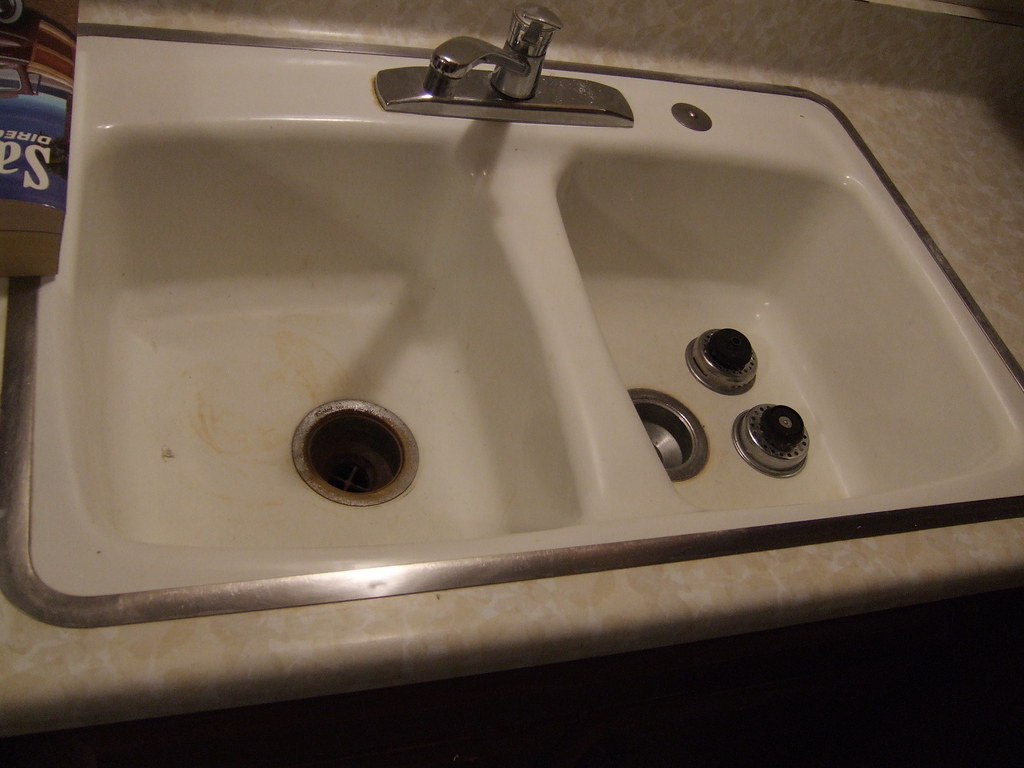
Orange or brown marks in sinks, toilets, or laundry can be associated with iron, sediment, or corrosion. Where the color appears and whether particles settle in a container may help distinguish one concern from another.
Do not assume that any filter will remove it. The water source, the type of material present, and the amount involved affect the treatment choice. A system selected for the wrong problem may leave the staining unchanged and add another piece of equipment to maintain.
White scale and soap that will not lather
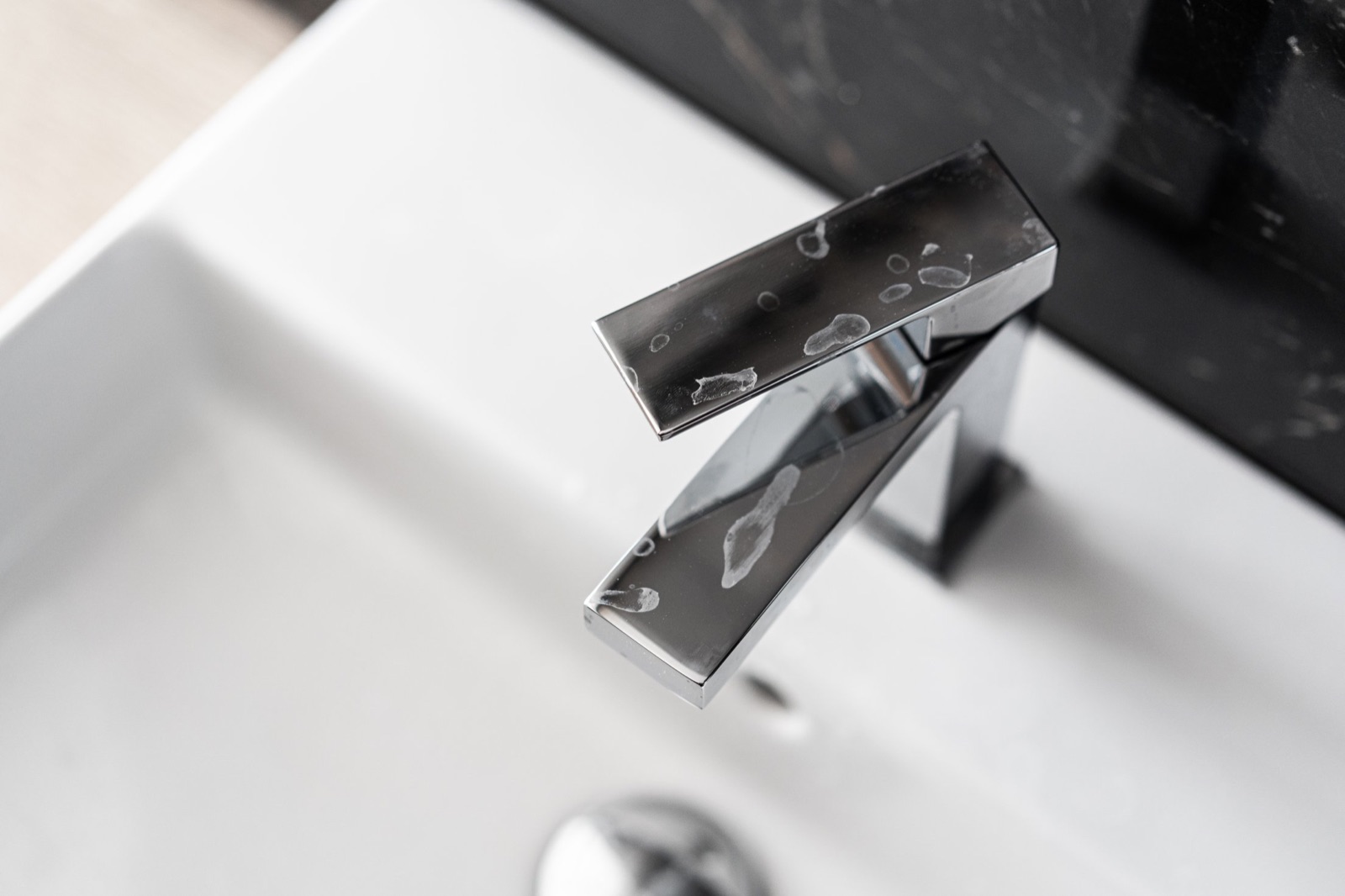
White crust around fixtures, spotting on glassware, and soap that seems difficult to rinse can be signs associated with hard water. Mineral buildup may also collect inside fixtures and appliances over time.
A softener is one possible response to hardness, but that does not mean it solves taste, odor, sediment, or every other water complaint. If several symptoms are happening at once, list them separately. One may need a different treatment approach than the others.
Odor or unpleasant taste

When water smells or tastes different, note whether the issue affects hot water, cold water, or both. If it occurs only at one faucet, the problem may be local to that fixture or nearby plumbing. If it appears throughout the home, the water source and treatment setup deserve a broader look.
Avoid trying to cover the odor with a general-purpose filter before the cause is evaluated. Filtration, iron removal, acid neutralization, ultraviolet treatment, and other systems do different jobs. The right recommendation depends on the water and the concern being addressed.
Sediment or cloudy water
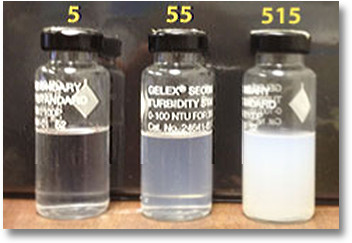
Sediment can appear as visible particles, grit in faucet aerators, or cloudy water that later settles. Tell the technician whether it is constant or appears after heavy rain, changes to the well, or recent plumbing work.
That timing can help separate a recurring source-water issue from material disturbed inside the plumbing. Sediment control may be part of the answer, but the system should be chosen after the source and pattern are understood.
What to ask before choosing a treatment system
Once the water has been evaluated, ask what the proposed equipment is intended to correct. A useful quote should make that connection clear.
- What maintenance will the system need?
- Are there filters, salt, lamps, or other parts that require routine replacement?
- Where will the equipment be installed?
- How will you know whether it is working as intended?
These questions make quotes easier to compare. They also help you understand what owning the system will involve after installation.
Get the problem matched to the right solution
Crafty Fox evaluates water-quality concerns for homes using wells and public water. If you are dealing with odor, staining, sediment, scale, or an unpleasant taste, start with the symptom and the water source. Then the treatment options can be narrowed to what your home actually needs.
Learn more about Crafty Fox water treatment services or contact the office to discuss what has changed in your water.