
Turning on a faucet and getting a weak stream is frustrating. Getting no water at all feels straight up urgent. They can look like versions of the same problem, but the checks may lead in very different directions.
If you’re on well water, the pump is one possibility. So are the pressure tank and switch, a leak in the plumbing, a restriction, or trouble with the underground line serving the home. A productive service visit starts with what changed, then follows the water supply through the accessible parts of the system. Replacing the pump before that work is done can leave the real problem untouched.
Start with what the whole property is doing
Before the appointment, check whether the problem affects every fixture or only one. A weak kitchen faucet with normal pressure elsewhere points in a different direction than weak pressure throughout the house.
If the property has another building on the same supply, note whether it is affected too. It also helps to know whether the change happened suddenly or worsened over time, and whether it followed a power interruption, plumbing repair, heavy water use, or an obvious leak.
You do not need to take equipment apart. A few clear observations give the plumber a better starting point.
No water is not the same as low pressure
When there is no water anywhere, the plumber needs to find out whether the system can reach the home at all. The pump, controls, power supply, well-side equipment, and the line between the source and the building may all be relevant.
Air or sputtering at several fixtures is another useful detail. So is muddy or cloudy water. These observations do not diagnose the problem by themselves, but they can change what should be checked first.
The first check may be inside the house
If only one faucet or shower is weak, the well system may not be the source of the trouble. A fixture, shutoff, filter, or section of building plumbing can restrict flow while the rest of the home works normally.
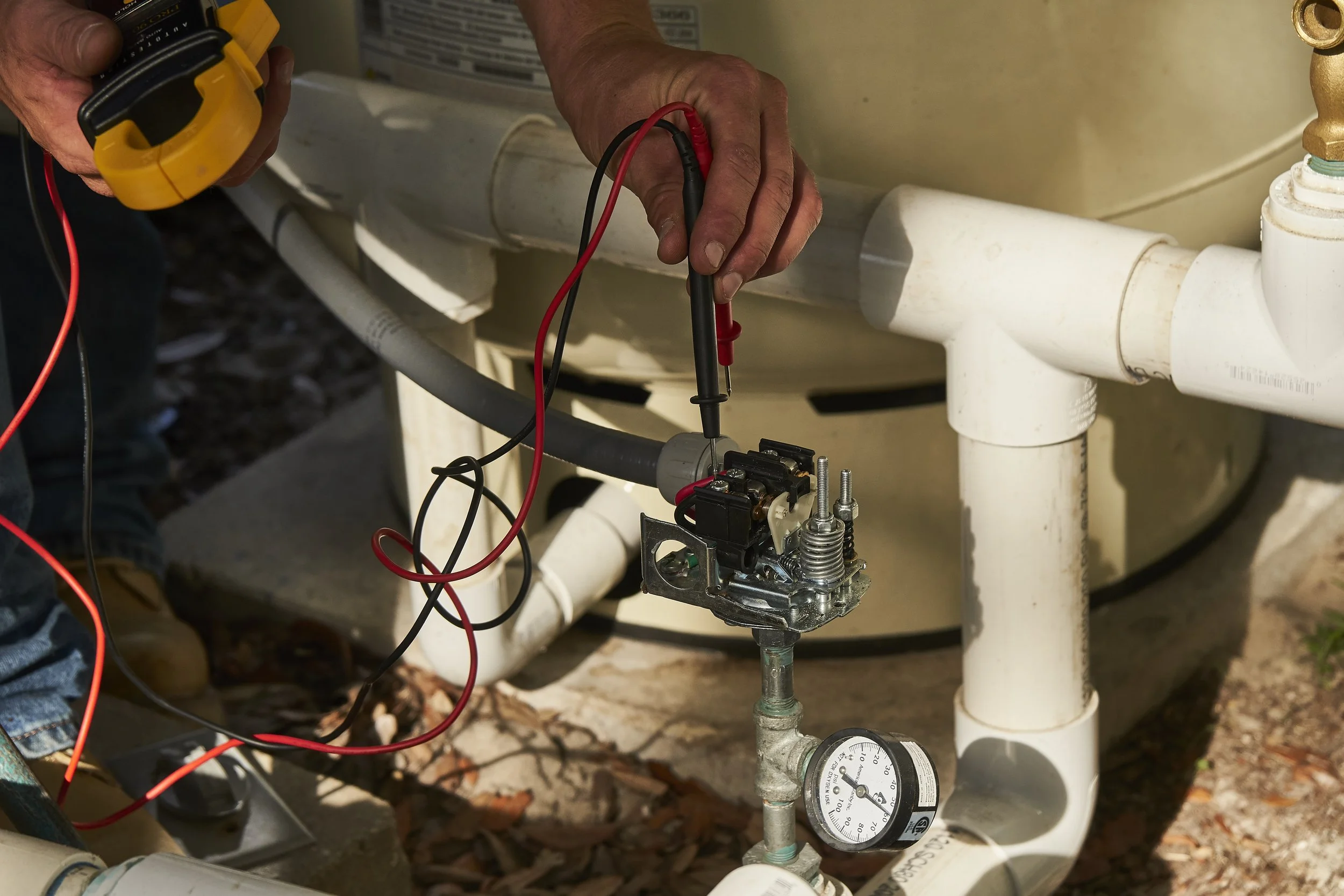
When every fixture is affected, the plumber can follow the problem farther back. That may include visible plumbing connections, pressure readings, the pressure tank and switch, pump operation, and signs of a leak. The exact order depends on what the system is doing when the technician arrives.
The pressure tank and switch affect how water is delivered
The pressure tank gives the system a reserve of water under pressure. The switch and related controls tell the pump when to start and stop. A problem in either area can change the pressure at the fixtures or make the pump run in an unusual pattern.
Listen for repeated clicking, rapid pump cycling, one long run, or no pump activity. Share what you hear, but leave covers and electrical controls alone. Well-system electrical work is not a safe do-it-yourself diagnostic step.
If the main symptom is a pump that turns on and off every few seconds, read our separate guide to well-pump short cycling. That article focuses on the cycling pattern; this one covers the broader path for no-water and low-pressure calls.
A leak can imitate a pump or pressure problem
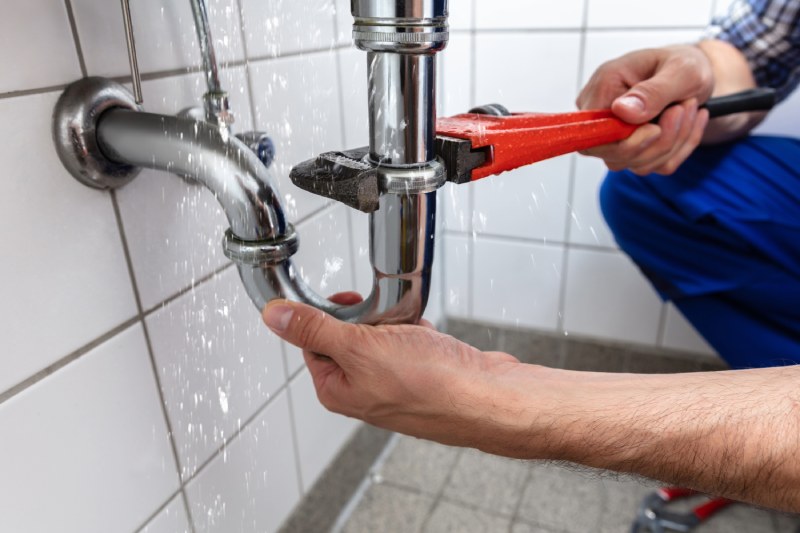
A leak after the pressure equipment can keep the system calling for more water. The pump may run more often, pressure may fall, or a section of the property may stay damp even when the weather has been dry.
Look only for safe, visible clues: a running toilet, a dripping outdoor spigot, water where it should not be, or pump activity when no fixture is in use. Do not dig along the water-line route or open control boxes. If the evidence points to a hidden building-plumbing leak, leak detection may become part of the next step. If it points outside, the underground line may need attention.
The pump may need repair, replacement, or specialist coordination
Sometimes the pump or well-side equipment is the problem. Sometimes it is not. The useful question is whether the fault has been isolated before equipment is recommended.
Crafty Fox checks well pumps, pressure tanks, controls, visible connections, and signs of a water-line problem. Some well-side work may require coordination with a trusted well-service partner. Crafty Fox can also handle underground water-line repair, replacement, installation, or a change from well water to public water when that work is the source of the problem.
Water quality belongs on a different path
Odor, staining, sediment, or scale can happen while the home still has normal pressure. Those concerns may call for water testing and treatment rather than pump work. Tell the office if water quality changed at the same time as pressure, but do not assume one problem caused the other.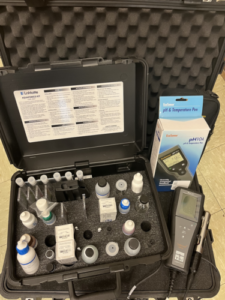
What to tell the plumber before the visit
Write down whether you have no water or low pressure, whether every fixture is affected, and when the change started. Add any unusual pump sounds, air at fixtures, visible leaks, recent power interruptions, or changes in water use. If another building shares the supply, mention what is happening there too.
Those details help the technician spend less time recreating the symptom and more time checking the right parts of the system. For well-pump, pressure-tank, control, or water-supply problems in the Roanoke or Smith Mountain Lake areas, contact Crafty Fox Services.